News Article
The profits held. The losses are in the securities book
Published · 6:48 AM ET
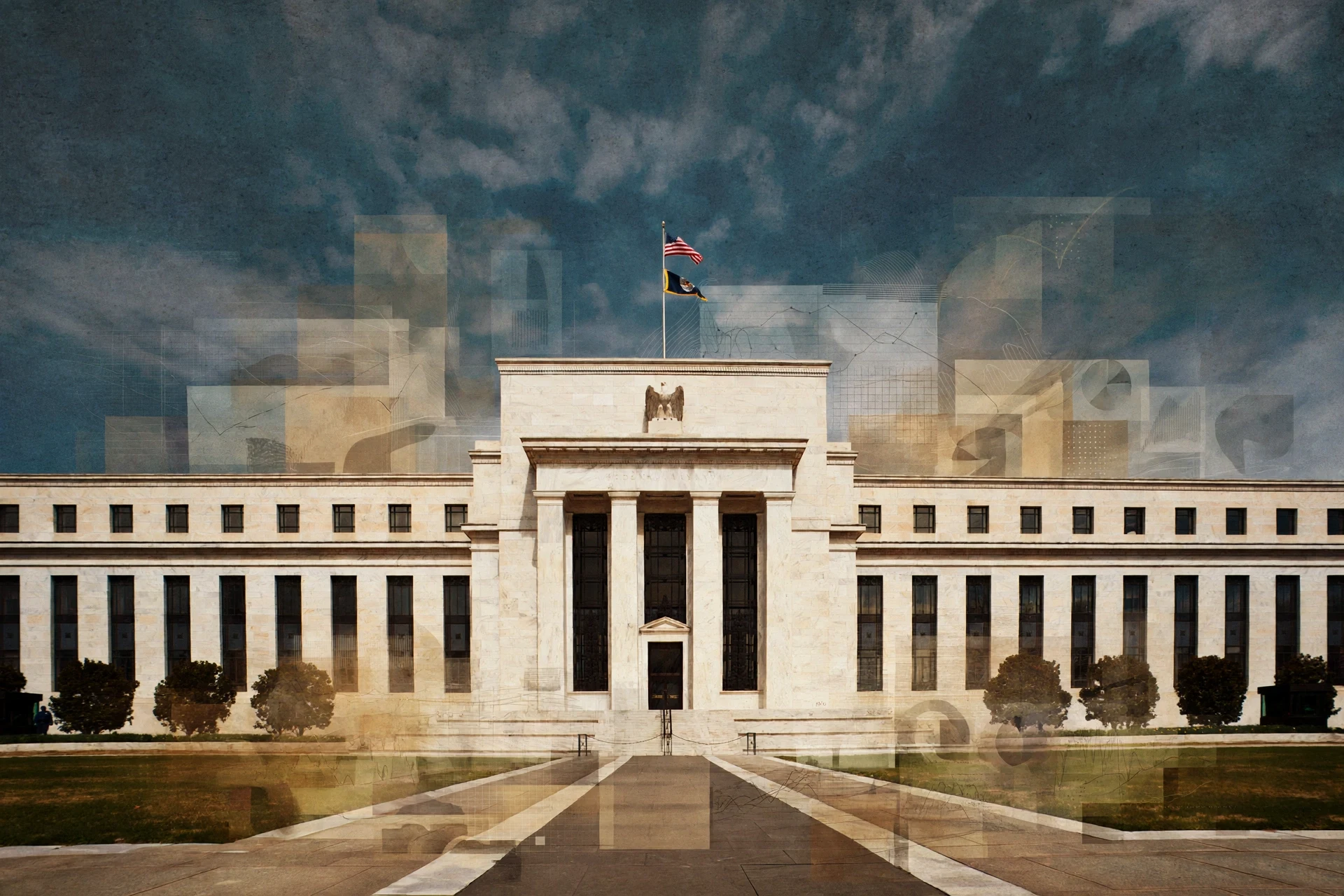
America's banks made $84.8bn in the third quarter. The number is real, and so is the one underneath it. In the same three months, the industry's unrealized losses on securities rose from $326.7bn to $486bn, a jump of nearly half in a single quarter, because interest rates went up. The loan book is not where the damage is. The bond book is.
The Federal Deposit Insurance Corporation released its Quarterly Banking Profile for the third quarter on Tuesday, covering 4,205 insured banks and savings institutions. Net income fell 5.9 per cent from the second quarter but rose 7.0 per cent from a year earlier. The return on assets was 1.28 per cent. The net interest margin widened to 3.39 per cent. Deposits grew for a ninth consecutive quarter. By the measures that lead the release, this is a profitable, liquid industry, and the FDIC says so in plain words. It concluded that the industry “continued to show resilience,” with strong capital and liquidity supporting lending.
Read past the headline and the quarter changes character. The earnings decline was driven in part by losses taken on the sale of securities and by provisions for credit losses, which rose 6.9 per cent to $20.7bn. Provisions grew more slowly than the loan book, so the allowance for credit losses slipped to 1.58 per cent of total loans. The reserve coverage ratio, the allowance measured against noncurrent loans, fell to 169.3 per cent because noncurrent loans grew faster than the allowance set aside for them. At community banks, coverage fell to 143.2 per cent. None of this is a crisis measure. All of it moves the same way. The cushion is thinner than it was in June, at the industry level and at the community level alike.
The past-due and nonaccrual rate edged up 2 basis points to 1.46 per cent, with increases in credit card and multifamily property portfolios. Net charge-offs improved, falling to 0.55 per cent. In commercial real estate, the volume of past-due and nonaccrual loans on non-owner-occupied properties fell 5.5 per cent in the quarter, and the rate at the largest banks sits below its 2024 peak. The FDIC is careful to add that it remains well above the pre-pandemic average, and that smaller banks carry the heavier concentrations of those loans relative to their assets and capital. The problem bank list shrank by a net eight institutions to 39, below the range the agency calls normal outside a crisis. Four banks failed in the quarter.
That is the honest picture, and this desk is not going to dress it up as something worse. The deterioration story in American banking is not hiding in the loan book this quarter. It is sitting in the securities portfolio, where it has sat since 2022, and it moves with the price of money.
Which is why the calendar matters. On Wednesday this paper reported that October inflation printed 3.8 per cent on the headline measure and 3.3 per cent on the core, and that markets price a Federal Reserve rate rise at the December 8–9 meeting as close to certain. The third quarter's $159.3bn increase in unrealized losses happened because rates rose during the quarter. A December rise would push the same way. Analysis, labeled as such: the banking system's current weak point is not borrowers failing to pay. It is a $486bn mark on securities that gets worse each time the Fed does what it is currently priced to do, held by an industry whose allowance ratios and coverage ratios both thinned in the same quarter.
The other line in the release worth following runs in the opposite direction. Total loans grew 7.5 per cent from a year earlier, the fastest annual pace since the first quarter of 2023, and the largest dollar increases came in commercial and industrial lending and in loans to nondepository financial institutions. That second category is the banking system's lending to the nonbank financial system, the private credit funds and finance companies this newsroom covers on other desks. The banks are profitable. They are also, at the fastest pace in more than three years, lending to the part of the financial system whose own marks are the subject of our Private Credit reporting. The aggregate profit figure does not show that transmission. The loan growth table does.
The FDIC's own closing sentence holds both halves. The industry showed resilience, and it faces “weakness in certain loan portfolios and elevated unrealized losses” that will remain under supervisory attention. The profits held. The losses are in the securities book, they grew by half in one quarter, and the next move in rates is scheduled for December 8.
Documents & methods
- Quarterly Banking Profile, Third Quarter 2026 — Federal Deposit Insurance Corporation, November 24, 2026 (statement with accompanying charts, Charts 1–14).
- FDIC press release, FDIC-Insured Institutions Reported Return on Assets of 1.28 Percent and Net Income of $84.8 Billion in Third Quarter 2026 — Federal Deposit Insurance Corporation, November 24, 2026.
The Banking desk read the FDIC's third-quarter statement and its accompanying charts in full and graded every figure in this story against them. No bank or regulator was contacted for this brief. The December rate context is this paper's November 25 Monetary Policy reporting on the Bureau of Economic Analysis October PCE release.
The instruments behind this reporting: the seven gauges.
Reporting by The Fault Lines is assisted by AI tools and audited and edited by the editor.
Contact the editors on this story — [email protected]. Michael Davis, Editor, The Fault Lines.