News Article
Frankfurt wanted to hike in October. It waited
Published · 10:52 AM ET
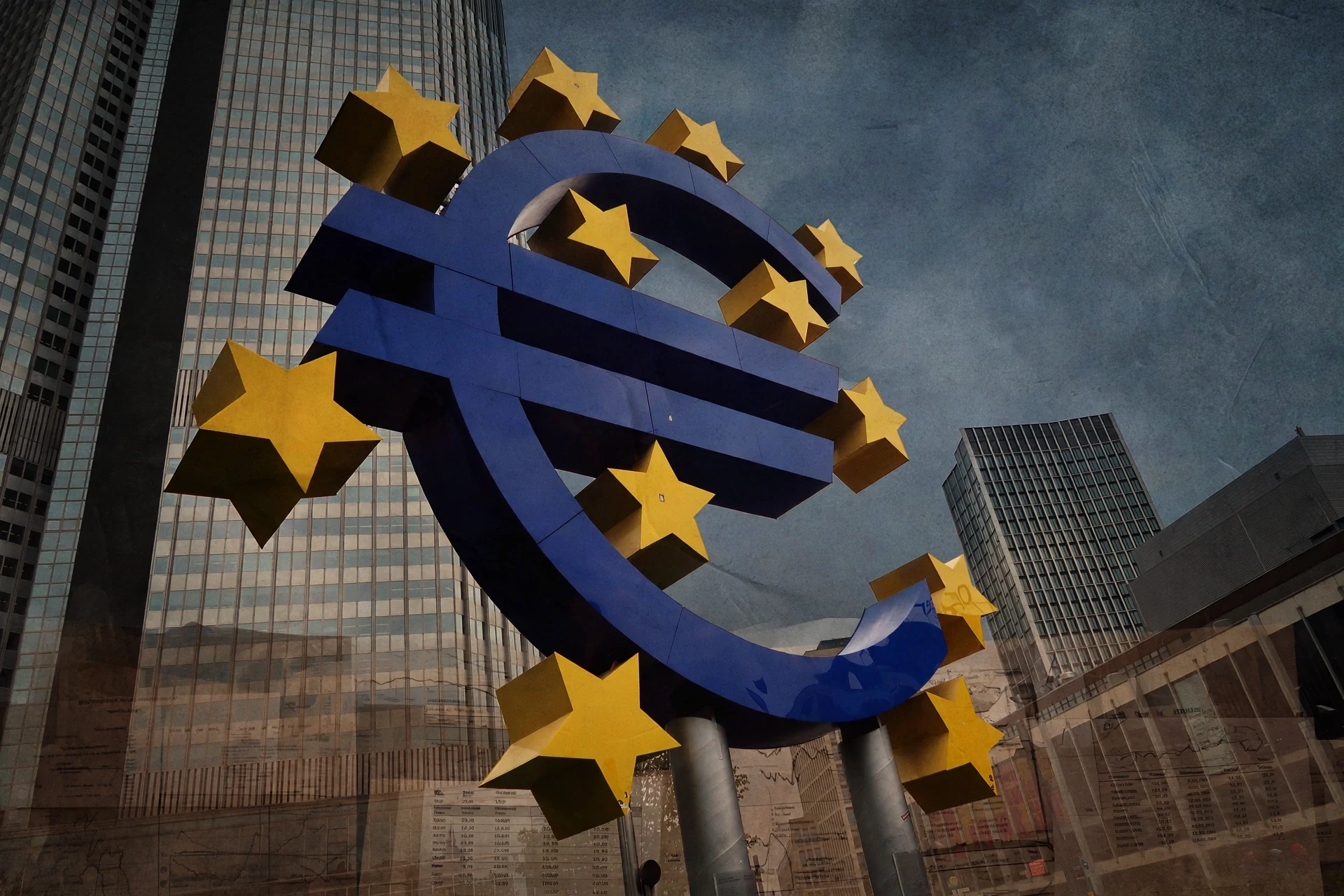
The European Central Bank held its rates in October. Its own account of that meeting, published this morning, shows how close the hold was, and in which direction the next move points. A large number of Governing Council members said the data arriving since September had confirmed the case for further tightening, and that they could have supported raising interest rates at the October meeting itself.
Those members put the position in terms that leave little room for a cutting cycle. A further hike was necessary, they argued, unless the inflation outlook improved significantly, so the only issue was timing. The deposit facility rate, at 2.50 percent after increases in June and September, still lay within ECB staff estimates of the neutral rate, which in their reading meant policy was not restraining the economy at all. An October hike would simply have frontloaded the tightening they regard as necessary.
All members, including those ready to move, ultimately backed waiting, on the condition that the bank communicate its commitment plainly. The account records the agreed line. Another rate hike would likely be necessary unless the inflation outlook improved significantly. December brings the evidence the council said it needed, in the form of new staff projections, wage-negotiation data, third-quarter output figures and two more inflation releases.
An energy shock above the adverse scenario
The pressure behind the argument is energy. Oil and gas prices had moved above the adverse scenario in the ECB's September projections. Diesel refining margins stood at a historically high level, with euro area diesel crack spreads above the levels observed after Russia's invasion of Ukraine in 2022, and freight rates from the Gulf to Europe had surged to record highs. Market inflation compensation peaked at 4.5 percent for January 2027 and remained above 2.5 percent until the first quarter of 2028. Headline inflation in the euro area had already risen to 3.8 percent in September, with energy inflation at 18.9 percent.
The same document records the tightening that has already happened without a further move. Financial conditions had tightened since September. Credit standards for loans to firms tightened in the third quarter, bank lending to firms slowed, and the cost of market-based debt for firms rose to 4.1 percent. On October 27, banks' recourse to the Eurosystem's standard refinancing operations rose to its highest level since the end of 2016, which the account reads as banks adjusting to an era of less excess liquidity.
The account also names the other debt story running through this newsroom's reporting. Market attention, Ms Schnabel told the council, had shifted towards fiscal dynamics and the increasingly debt-financed artificial intelligence investment cycle. The sharp correction in technology stocks was driven in part by concern about that debt, and the substantial increase in issuance by the hyperscalers had been absorbed in euro area corporate bond markets at a higher cost for issuers.
Analysis. Frankfurt and Washington are now priced to tighten in the same month. Markets put the probability of a 25 basis point ECB hike on December 17 at roughly 93 percent, and a Federal Reserve hike on December 8-9 is near fully priced after October inflation printed at 3.8 percent in the United States. Two central banks raising rates into a supply-driven energy shock, with policy in Europe described by its own members as not yet restraining anything, is the configuration this paper's instruments are built to watch. The cross-default gauge stands fired at 76, and the recession probability gauge ticked up to 10.2 this morning. Neither number argues the tightening is wrong. Both say the system absorbing it has less slack than the word neutral suggests.
Documents & methods
- Account of the monetary policy meeting of the Governing Council, 28-29 October 2026 — European Central Bank, published November 26, 2026.
- October PCE price index and December rate pricing — Bureau of Economic Analysis release and CME FedWatch, as reported by this newsroom's Monetary Policy desk, November 25, 2026.
The Global Contagion desk read the ECB's full meeting account on the day of publication and checked its rate, inflation and energy figures against the document's own financial-developments and policy sections. No outreach was made for this brief. Market pricing for the December ECB meeting is reported as stated by market coverage of the account and is labeled as such in the text.
The instruments behind this reporting: the seven gauges.
Reporting by The Fault Lines is assisted by AI tools and audited and edited by the editor.
Contact the editors on this story — [email protected]. Michael Davis, Editor, The Fault Lines.